

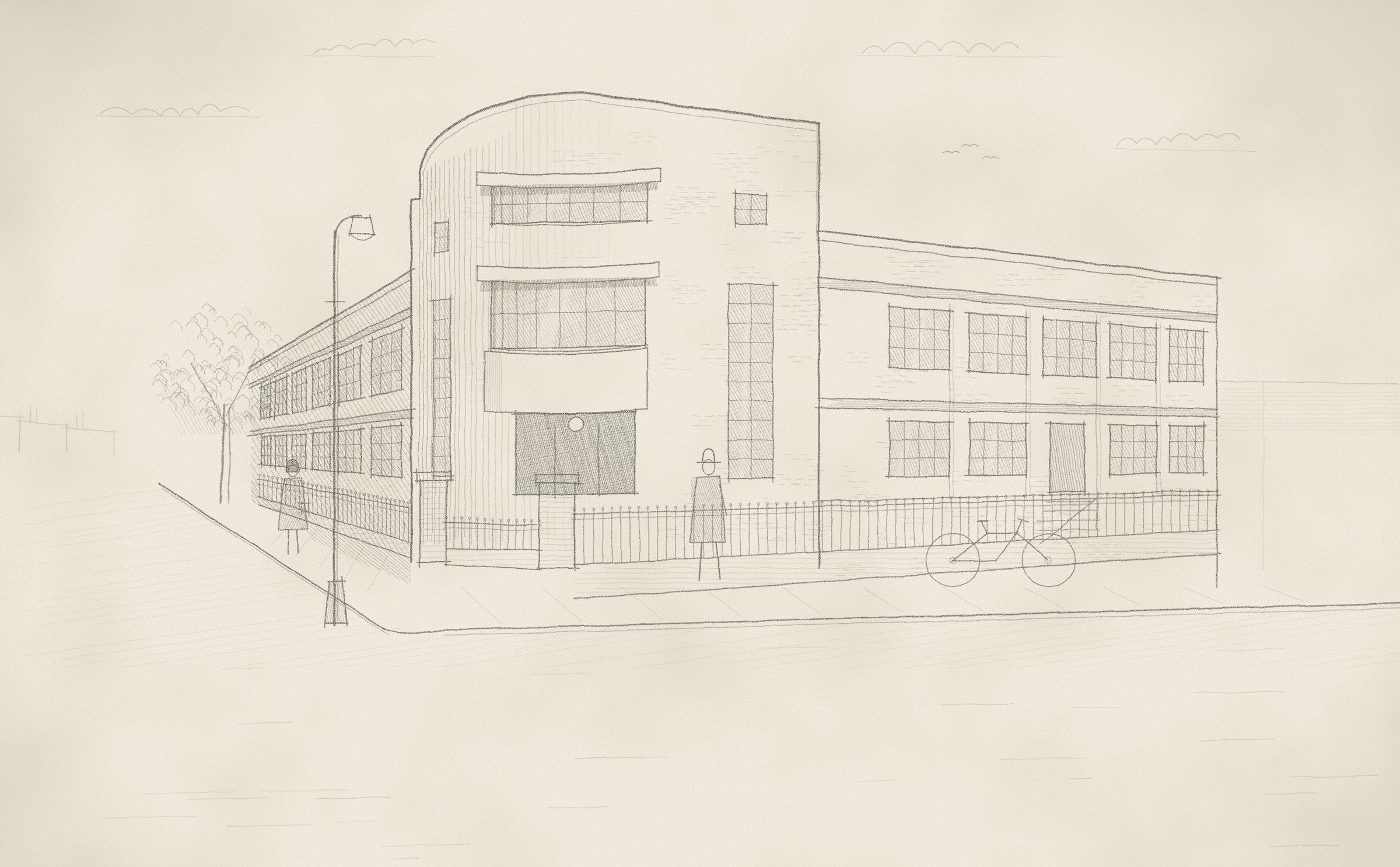
 Enfield Clock Company, 6 November 1933. Press photograph.
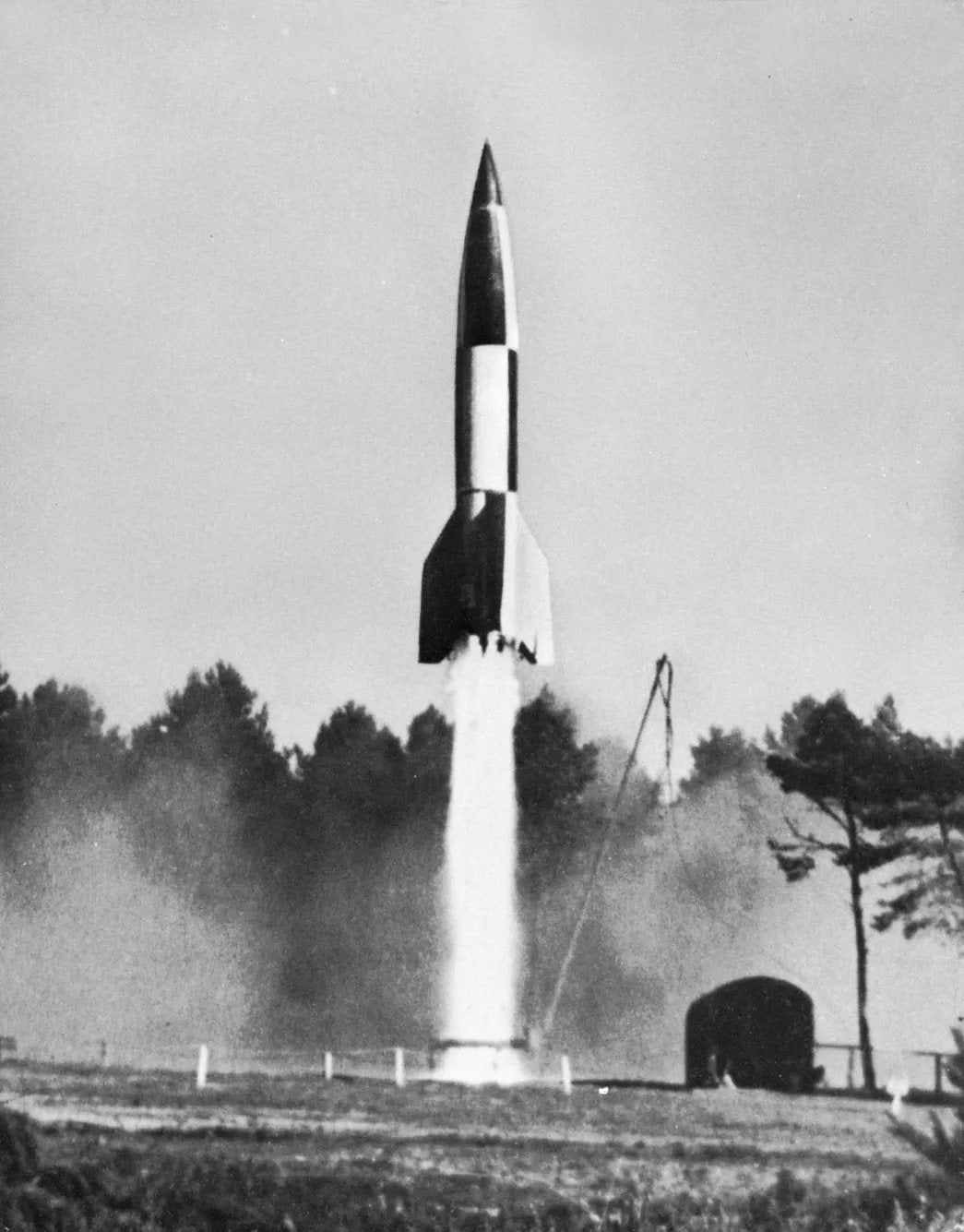
 Salvaging khaki from the Dunlop works, March 1945. © IWM (P 2510).


Made in London.
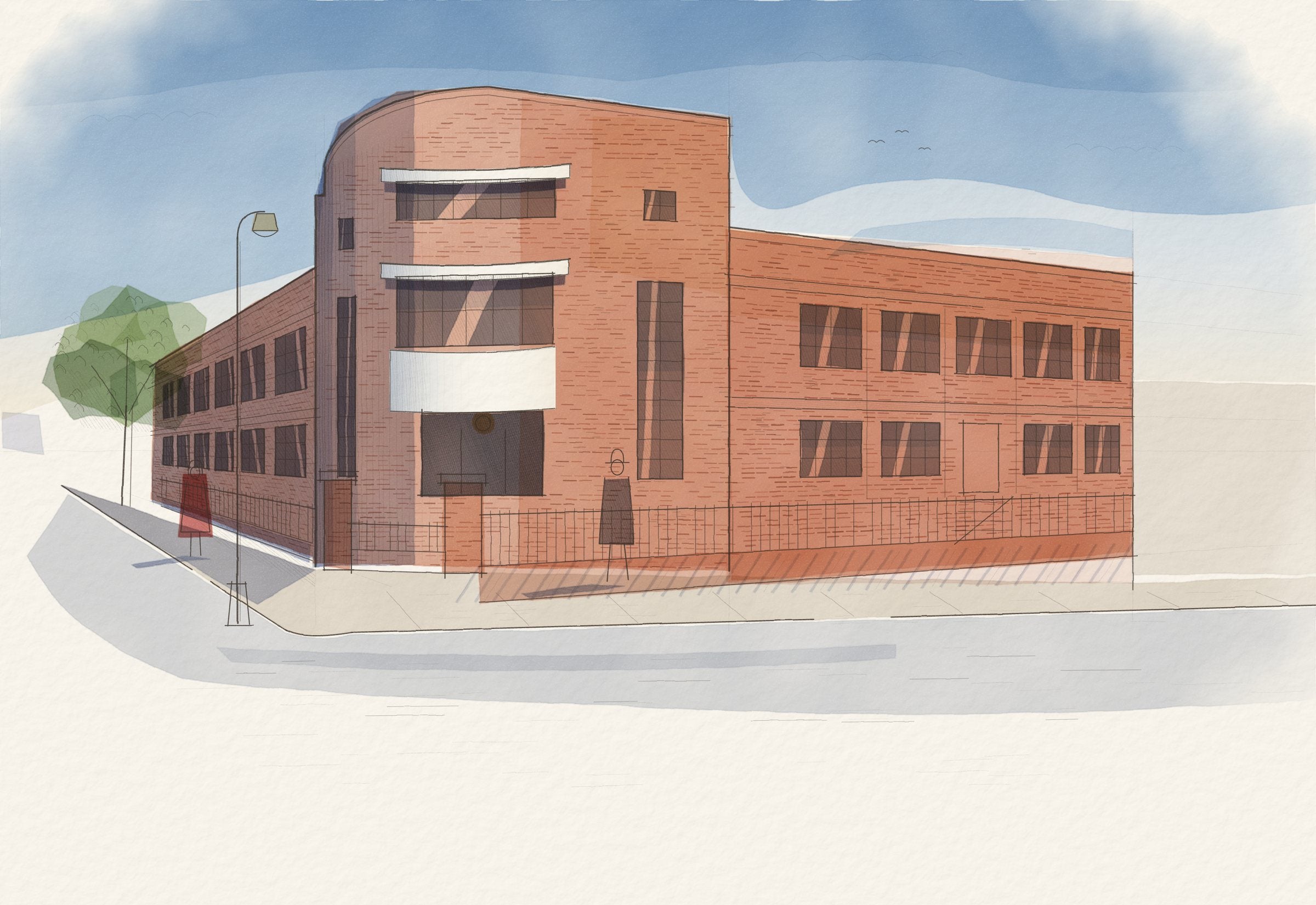
Our bespoke shoes are made in an Art Deco factory of 1931, one of the last surviving factory buildings of its kind in London. This is the story of the building, and of the makers who came before us.
Leather, long before us.
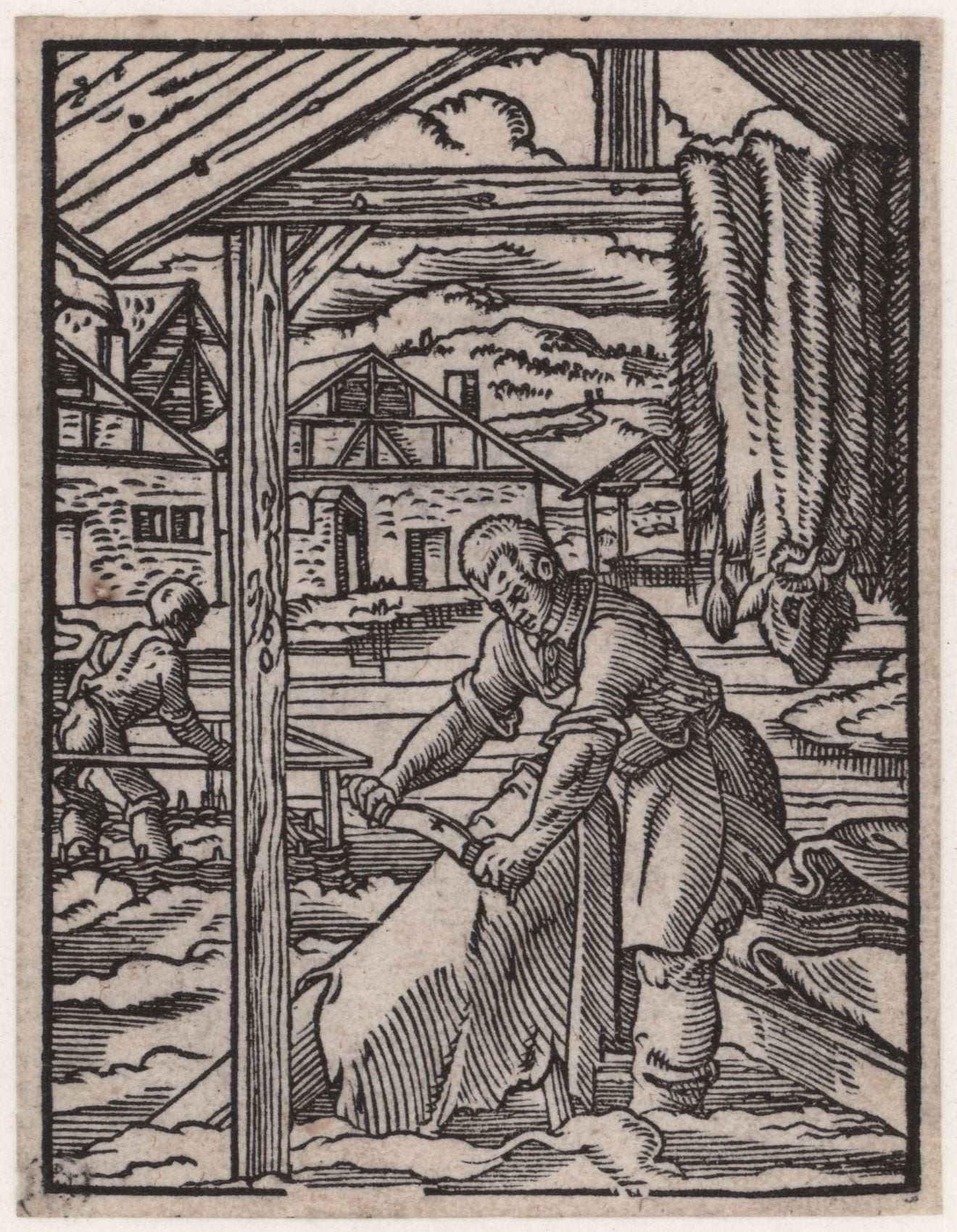
A tanner named William was living in Edmonton in the thirteenth century, and by the 1500s tanning was the parish’s craft. Their trade gave its name to Tanners End, a short walk from our workshop; among the most prosperous of them was John Walker, who died in 1590.
Bark for the tan pits.
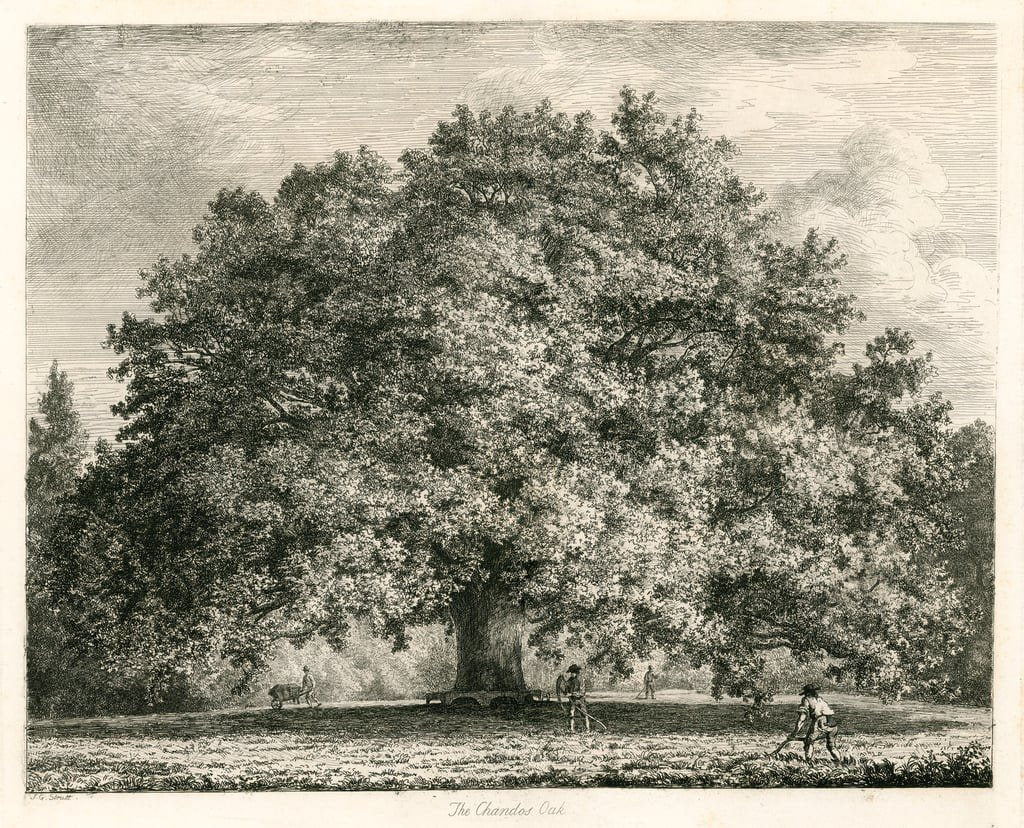
Oak bark from the Southgate woods filled the tan pits. As the woods were felled, for charcoal and then for the parks of great houses, the trade faded, and Edmonton’s last tannery closed in 1802.
“We like to think we have picked up a thread.”
The craft outlived the tan pits. When the census was taken in 1851, Edmonton counted forty-nine shoemakers, and nineteen cordwainers who made fine shoes from new leather.
From fields to factories.
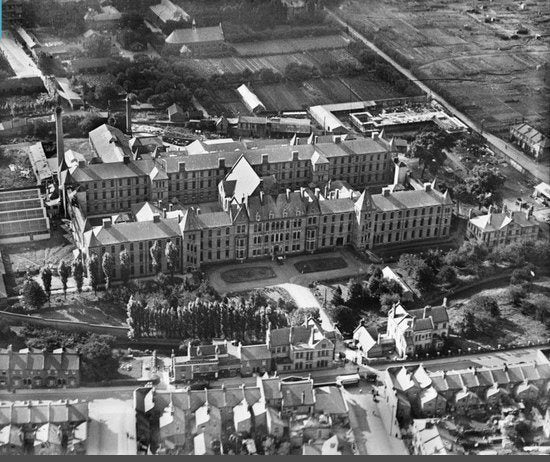
For a century, the largest building on the road was not a factory but a workhouse, opened in 1842 for five hundred of the parish’s poor.
A hospital for the wounded.
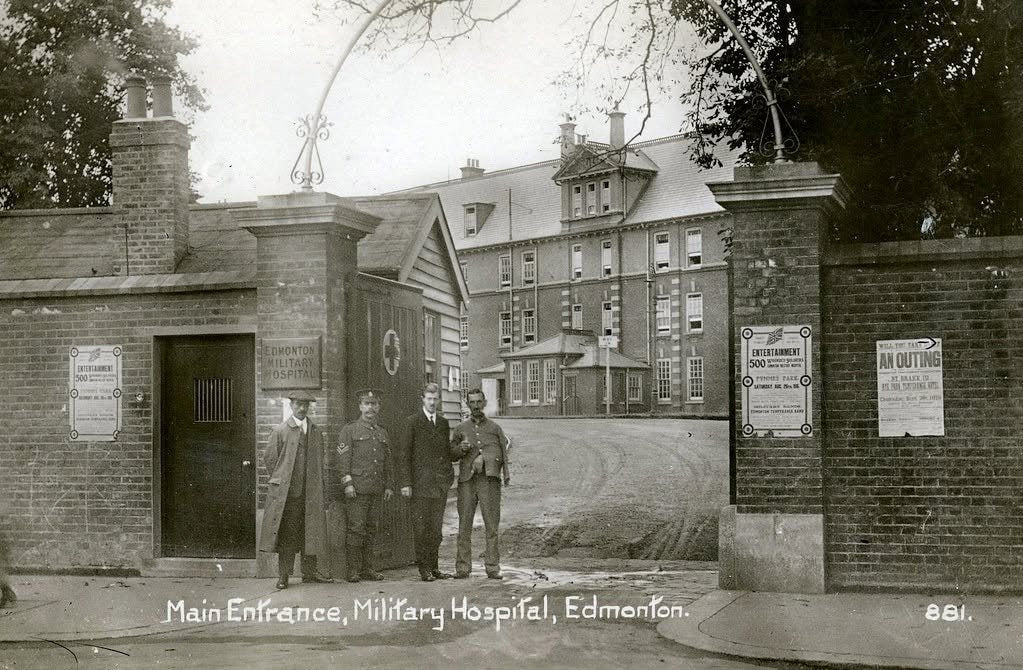
Its infirmary became the Edmonton Military Hospital in 1915, receiving men brought by train from France. South of the road the land was dug for brick, and on the old brickfields eight factories rose in 1931 and 1932.
A corner built for making.
Dunlop built it in the confident Art Deco of the age: a rounded tower of red brick banded in white, its steel windows curving with the wall like the bridge of a liner. Behind it, long ranges of Crittall glass pour daylight across floors where, by 1941, some 1,500 people cut and stitched.
“The light that fell on Dunlop’s cutting tables falls on ours.”
A street of makers.
In the new factory district, clockmakers from the Black Forest turned out five thousand clocks a week. In 1932, a shoe manufacturer, A. H. Meltzer, moved to the district from the East End.
“Shoes were made on these streets in 1932. They are made here again.”
Two months before peace.
In wartime, Dunlop’s sewing rooms made clothing for Britain’s armed forces. On 3 March 1945, a V2 rocket struck the Dunlop works, part of the factory we work in today.
Saving what they could.
The fire that followed destroyed the buildings where that clothing was made. An official photographer found the workers carrying bales of khaki out of the ruins.
They carried on.
By 1947, Dunlop Clothing and Weatherproofs was still trading from Bridport Road.
Still making.
The building changed hands and trades, but never stopped making things. Enfield Council lists it among the borough’s heritage, one of the few industrial buildings still in its original use.
“The same windows still light the work.”
Stripped back to the brick.
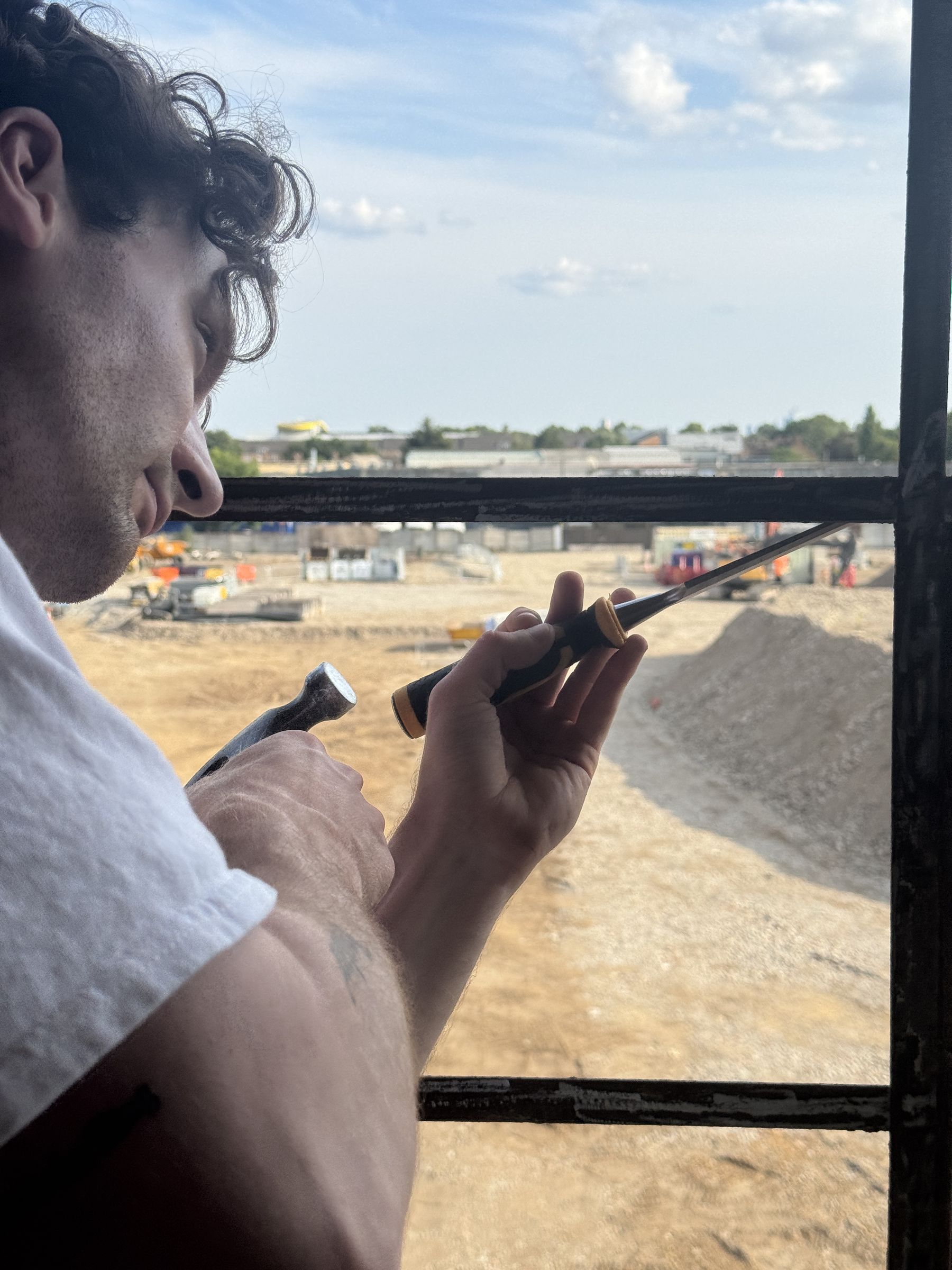
In the summer of 2025, we brought our making to Bridport Road and took on our workshop in the old factory. Decades of grime came off every wall, column and window.
The windows, brought back.
Steel frames mended by hand, so daylight could fall across the benches again.
Ready for the benches.
Bare brick, tall steel windows and a clean floor, waiting for the makers.
Making again.
Masters work beside a new generation of cordwainers, recent graduates of Cordwainers at London College of Fashion. Leathers come from family tanneries across Britain and Europe, and every commission is made here, by people we know by name.
Wear a pair, and you carry a little of London with you.
Every pair can be recrafted and resoled here for as long as you wear it.
Recraft and resoleFactory visits, imagery and interview requests are welcomed.
Message us on WhatsAppSources: Victoria County History of Middlesex, vol. 5; Enfield Local Heritage List 2024; Imperial War Museums; Historic England, Britain from Above; Grace’s Guide; Edith’s Streets; Jost Amman, Book of Trades (1568); Jacob George Strutt, Sylva Britannica. Paintings and drawings: illustrations for Arthur Sleep.
 Our story
 Mount Street
 Friends